
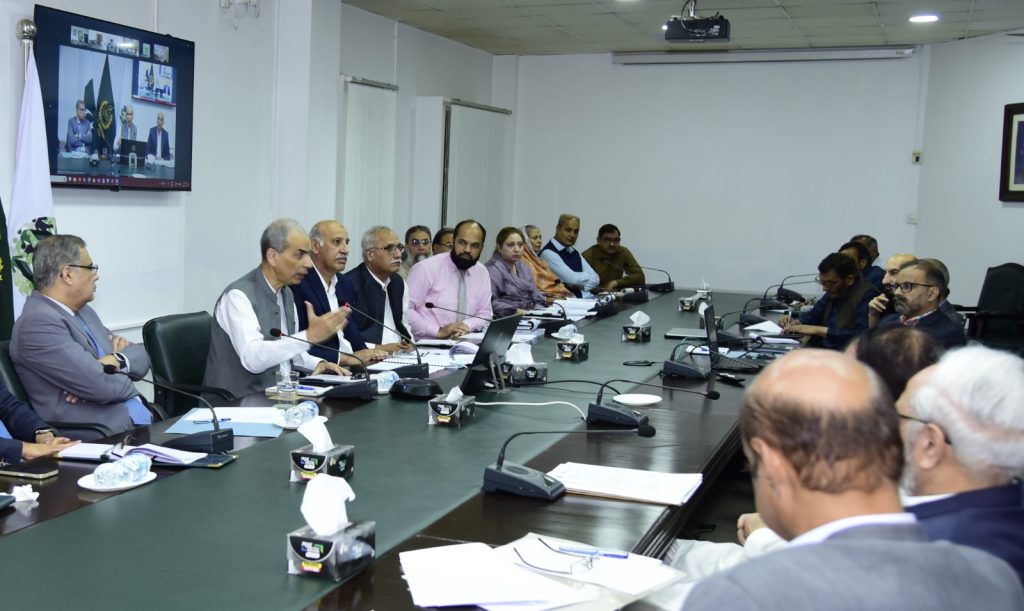
ISLAMABAD: Wafaqi Mohtasib Federal Ombudsman Naveed Kamran Baloch on Monday formally launched the revamped Informal Resolution of Disputes programme and inaugurated a four-day online training workshop at the Wafaqi Mohtasib Secretariat, Islamabad.
The initiative has been introduced to further strengthen a faster, more accessible and dialogue-based mechanism for the resolution of citizens’ complaints. It is aimed at improving grievance redressal across the country, with particular focus on remote, far-flung and underserved areas where citizens often face difficulties in accessing timely administrative relief.
Speaking on the occasion, Mr Naveed Kamran Baloch said the Informal Resolution of Disputes programme represents an important step towards making public grievance redressal more responsive, humane and citizen-oriented. He said the programme has been designed to ensure expeditious and amicable resolution of complaints without requiring citizens to go through lengthy formal procedures.
He observed that a large number of public complaints arise due to administrative delays, procedural complexities, miscommunication or service delivery gaps. Such matters, he said, can often be resolved more effectively through constructive engagement, dialogue and mutual understanding between the concerned parties.
The Federal Ombudsman said the IRD mechanism provides a structured yet flexible framework for resolving disputes through consensus. He added that the process is facilitative rather than adjudicatory in nature and seeks to resolve complaints without formally determining rights, liabilities or legal responsibilities.
Referring to internationally recognised Alternative Dispute Resolution models, Mr Baloch said the concept of informal settlement is consistent with global best practices that encourage timely, cost-effective and amicable dispute resolution. He also noted that the programme reflects the long-standing tradition of the Panchayat system historically practised in the region, where disputes were resolved through community dialogue and collective understanding.
He further stated that the revamped IRD programme seeks to institutionalise a culture of problem-solving within public administration. The objective, he said, is not only to resolve individual complaints but also to promote trust, cooperation and confidence between citizens and public institutions.
Mr Baloch emphasised that the programme would be especially beneficial for people living in remote and underserved regions by bringing relief closer to citizens and reducing the burden of prolonged complaint proceedings. He said timely and amicable resolution of grievances is essential for strengthening good governance and improving public service delivery.
Under Article 33 of the Establishment of the Office of the Wafaqi Mohtasib Order, 1983, the Ombudsman and his staff are empowered to conciliate and amicably resolve grievances without initiating formal proceedings. The revamped IRD programme has been developed within this legal framework to make complaint resolution more efficient and accessible.
To ensure effective implementation, a dedicated IRD Wing has been established at the Wafaqi Mohtasib Secretariat. The wing will be headed by Senior Advisor Dr Syed Asif Hussain and will coordinate IRD-related activities at the head office as well as regional offices across the country.
The four-day online training workshop has been arranged for IRD focal persons, officers and staff members. The workshop will focus on strengthening their professional capacity in handling IRD cases in accordance with the programme’s procedures, operational guidelines and institutional objectives.
The training is expected to equip officers with practical skills for facilitating dialogue, identifying workable solutions, engaging with parties in a neutral manner and ensuring timely settlement of complaints through mutual consent.
The launch of the revamped IRD programme marks a significant step by the Wafaqi Mohtasib Secretariat towards promoting efficient, accessible and citizen-friendly grievance redressal in Pakistan.