

ISLAMABAD: In observance of International Human Rights Day, the Centre for Research and Security Studies (CRSS) hosted a dialogue bringing together young leaders from across sectors to examine human rights, civic engagement, and gender justice in Pakistan.
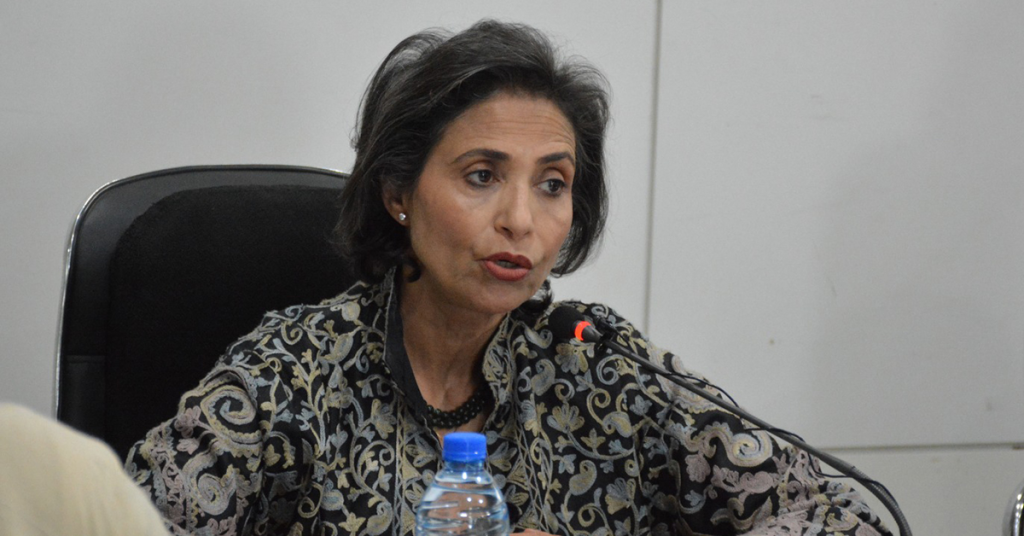
The keynote address was delivered by Ms. Fauzia Viqar, Federal Ombudsman for Protection against Harassment of Women at the Workplace (FOSPAH) and former Chairperson of the Punjab Commission on the Status of Women. She emphasized that Pakistan’s youth are at a critical juncture, facing political uncertainty while simultaneously gaining greater awareness of their rights and civic responsibilities.
Ms. Viqar outlined three pillars essential for meaningful youth engagement: knowledge, dialogue, and agency. She stressed that activism must be grounded in constitutional protections, national laws, and international human rights frameworks. She also highlighted the importance of dialogue to challenge misconceptions that human rights, particularly women’s rights, are foreign concepts, and encouraged young people to use media, art, technology, and community organizing to make rights relevant in everyday life.
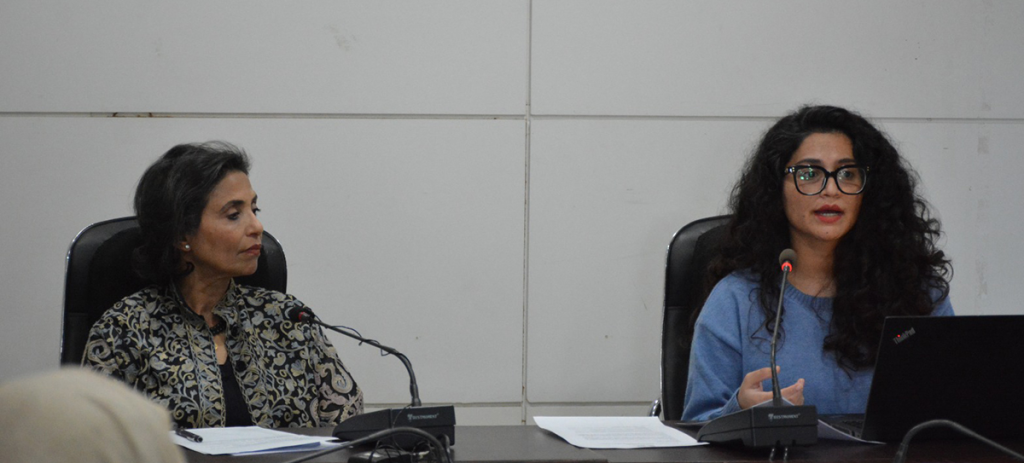
Addressing challenges faced by youth and activists, Ms. Viqar pointed to surveillance, online harassment, and institutional barriers, noting that women and gender minorities often experience compounded vulnerabilities due to socio-economic conditions, geography, disability, and literacy. Despite these challenges, she acknowledged the growing momentum of youth-led initiatives in areas such as environmental advocacy, digital literacy, and mental health awareness. She called for stronger institutional backing, psychosocial safeguards, and structured policy engagement to sustain youth participation.
The discussion that followed featured contributions from CRSS leadership and youth participants. Ms. Sameena Imtiaz, Head of Programmes at CRSS, highlighted the need for strategic youth engagement and the integration of young voices into policy-making processes. Ms. Elsa Imdad Chandio, Research Fellow at CRSS, shared observations on the gendered impact of forced repatriation of Afghan refugees, stressing the importance of gender-sensitive law enforcement and policy implementation.
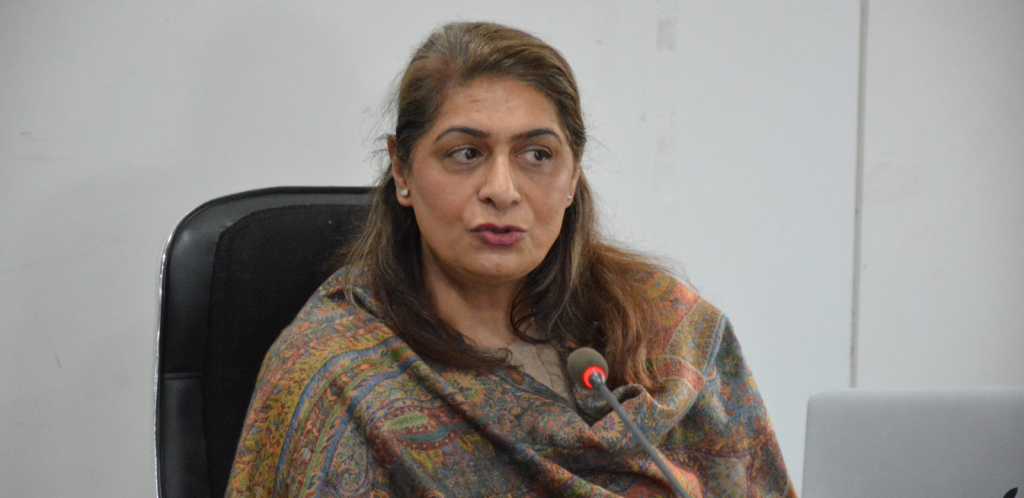
Youth participants emphasized the importance of evidence-based advocacy, access to credible data, and awareness campaigns to shift social norms, particularly around women’s participation in public life. They also discussed challenges related to shrinking civic space and political polarization, while recognizing the potential of local and digital platforms for inclusive leadership.
Key recommendations from the dialogue included strengthening institutions such as FOSPAH to ensure effective implementation of women’s rights protections, expanding youth representation in formal governance structures, adopting intersectional approaches to advocacy, and building mentorship and psychosocial support systems for young activists.
The dialogue concluded with a shared commitment to transforming civic frustration into constructive action. Participants agreed that informed, collective, and institutionally supported youth engagement is essential to advancing human rights and gender justice in Pakistan.