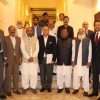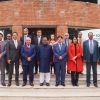

ISLAMABAD: In a significant step toward promoting sustainable transport and reducing carbon emissions, AGECO’s CEO Mr. Aslam Azad, Technology Partner of the Commission on Science and Technology for Sustainable Development in the South (COMSATS), formally handed over electric bikes to officials of the Federal Ombudsman Secretariat.
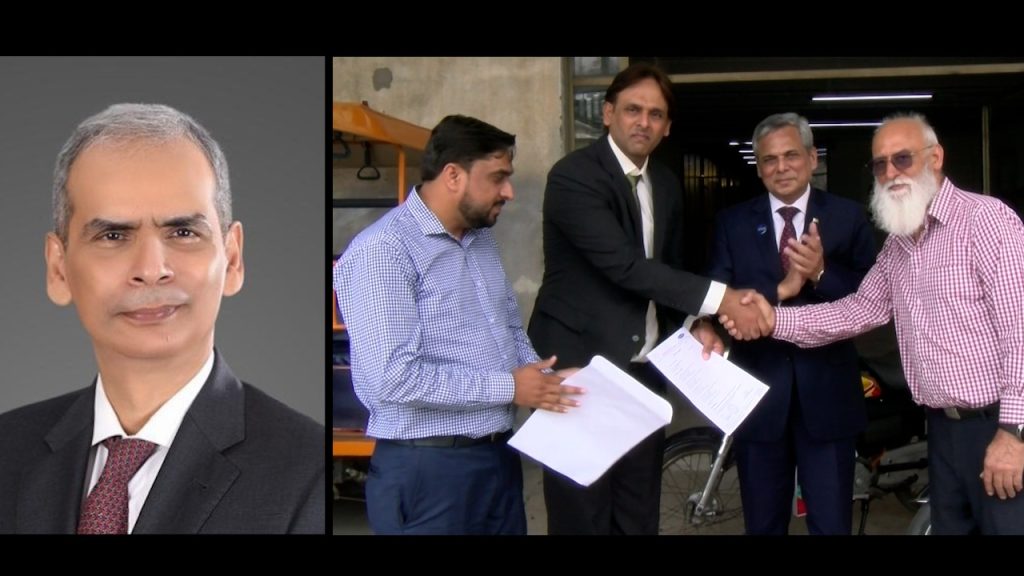
The Federal Ombudsman, Mr. Naveed Kamran Baloch, endorsed the COMSATS-supported initiative based on indigenously developed electric vehicle (EV) retrofit technology, reflecting institutional commitment to environmentally responsible governance and climate-conscious innovation.
The initiative was further strengthened by the participation of the Food Security and Agriculture Center of Excellence, a non-profit organization and agricultural development platform sponsored by Fauji Fertilizer Company (FFC), whose CEO Mr. Hassan Akram joined the effort as the first contributor from the autonomous corporate and NGO sector.
According to project developers, the EV technology developed by technologist Mr. Aslam Azad enables the conversion of internal combustion engine (ICE) two- and three-wheelers into electric vehicles. The innovation is supported by technical collaboration with Ambassador Dr. Mohammad Nafees Zakaria, Executive Director COMSATS, and is backed by patents and certifications from the Pakistan Standards and Quality Control Authority (PSQCA) and the National Science Council (NSC).
Addressing Pakistan’s Transport Emissions Challenge
Pakistan has one of the largest motorcycle populations globally, with an estimated 30 million motorbikes contributing approximately 37 million metric tons of carbon dioxide annually. The transport sector as a whole emits over 50 million metric tons of CO₂, significantly contributing to urban air pollution and smog formation, particularly in Punjab, leading to substantial economic and social disruptions.
The initiative highlights that motorcycles are often the primary mode of transport for low- and middle-income populations, making affordability a key barrier to electric vehicle adoption. By focusing on retrofit conversion of existing vehicles, the programme aims to provide a cost-effective pathway for emission reduction and fuel import substitution.
Sustainable Development and Policy Alignment
The COMSATS-led initiative aligns with Pakistan’s national development priorities and contributes directly to multiple United Nations Sustainable Development Goals (SDGs), including:
SDG 3: Good Health and Well-being
SDG 7: Affordable and Clean Energy
SDG 9: Industry, Innovation and Infrastructure
SDG 11: Sustainable Cities and Communities
SDG 12: Responsible Consumption and Production
SDG 13: Climate Action
COMSATS, an intergovernmental organization of 27 member states established in 1994 under the leadership of Nobel Laureate Prof. Dr. Abdus Salam, continues to provide technology-driven solutions to address pressing development challenges across Asia, the Middle East, Africa, and Latin America.
Institutional Perspective
Officials noted that the adoption of EV retrofit solutions represents a practical and scalable approach to decarbonizing the transport sector while ensuring affordability for the general population. The initiative underscores the importance of leveraging indigenous innovation, international collaboration, and public-sector engagement to address environmental and economic challenges simultaneously.
The Federal Ombudsman’s participation reflects growing institutional recognition of clean mobility solutions as part of broader governance and public welfare strategies.