
Former Chairperson of the Punjab Commission on the Status of Women and Federal Ombudsperson for Protection Against Harassment, Ms. Fauzia Viqar, has reiterated the need for a complete ban on the dowry system, describing it as a deeply harmful social practice that continues to cause distress and inequality across society.
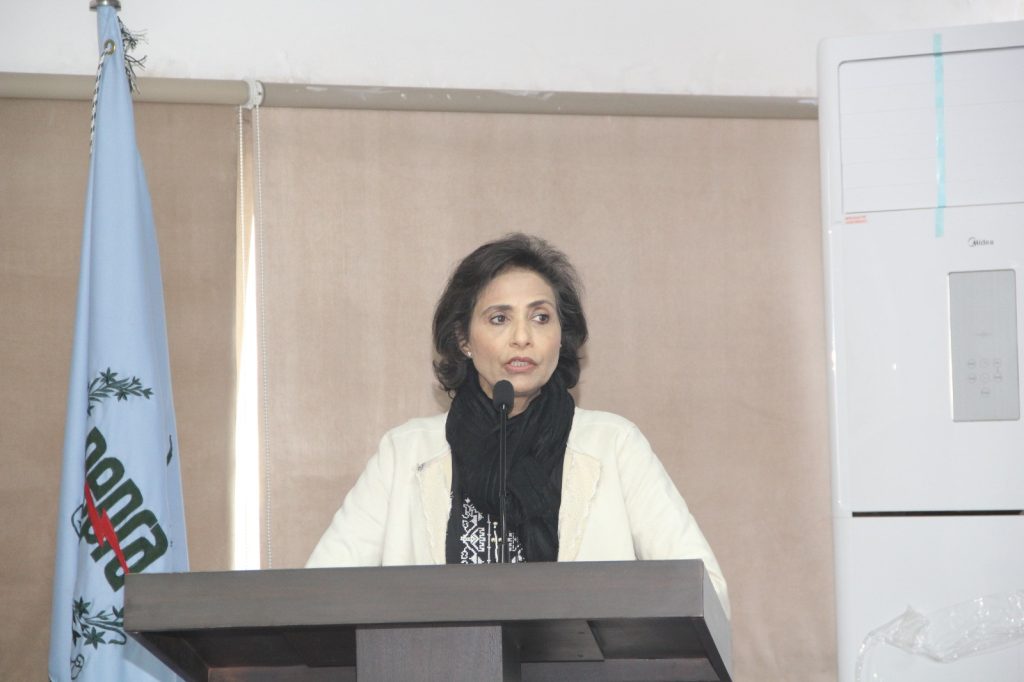
Speaking on the issue, Ms. Viqar pointed out that the Dowry and Bridal Gift Act of 1976 does not prohibit dowry outright but instead places restrictions on the practice. She emphasized that while the law regulates dowry, Pakistan must move toward its total abolition to protect the dignity of marriage and reduce financial pressures on families.
Her remarks were highlighted in connection with “Zanjir-e-Riwaj,” a student-led advocacy initiative that began as part of a Global Perspectives Project within the GCSE curriculum. The initiative calls for the complete eradication of dowry, describing it as a societal dysfunction that undermines the true purpose of marriage by introducing financial demands in place of mutual respect and commitment.
Ms. Viqar noted that eliminating dowry through legal reform and community-based awareness could help reduce marriages breaking down over financial disputes and promote long-term marital stability. She added that recognizing dowry as a harmful legacy of earlier generations would ease economic pressure across social classes and support broader social reform.
Referring to recent efforts, she acknowledged the “Dhee Rani Programme,” which has provided structured financial support for wedding arrangements and benefited thousands of couples. However, she observed that such initiatives primarily address financial hardship rather than eliminating the dowry practice itself.
Ms. Viqar stressed that sustained political will, legal action, and public support are essential to end dowry nationwide. She called on authorities to take decisive steps, noting that abolishing the practice would not only benefit local communities but also demonstrate Pakistan’s commitment to gender justice and social reform at the international level.
The call reflects a growing demand from civil society and youth-led movements for meaningful action to dismantle traditions that perpetuate inequality and burden women and their families.