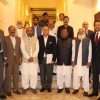

KARACHI, August 5, 2025 – In a powerful demonstration of the expanding authority and relevance of ombudsman institutions in Pakistan, Justice (R) Shah Nawaz Tariq, the Provincial Ombudsman for Protection Against Harassment (Sindh), ordered the removal of K-Electric CEO Moonis Alvi after finding him guilty of workplace harassment. A fine of Rs.2.5 million was also imposed, marking one of the most significant accountability rulings in Pakistan’s corporate sector.

The case originated from a complaint by Mahreen Aziz Khan, former Chief Marketing Officer at K-Electric, who alleged harassment and mental distress by Alvi and other senior officials. After a formal investigation, the Ombudsman found the allegations credible and directed immediate action, under Section 4(4)(ii)(c) of the Protection Against Harassment of Women at the Workplace Act, 2010.
Justice Shah Nawaz Tariq’s decisive ruling underscores the vital role ombudsman institutions play in enforcing workplace ethics, protecting victims, and promoting systemic accountability, regardless of the status or power of the accused. This move has been hailed as a bold step towards ensuring justice, particularly for women in corporate environments.
However, Moonis Alvi challenged the ruling in the Sindh High Court (SHC), which temporarily suspended the Ombudsman’s order until August 8, citing jurisdictional concerns over whether the provincial ombudsman could act against a trans-provincial entity like K-Electric. The SHC still directed Alvi to deposit the Rs.2.5 million penalty amount with the court while proceedings continue.
In parallel, the Sindh Governor’s Office declined to provide interim relief to Alvi and instead scheduled a full hearing for August 11. This refusal to prematurely reverse the Ombudsman’s decision has been seen as a strong affirmation of procedural fairness and institutional independence.
The legal team for Mahreen Aziz Khan commended the Ombudsman’s office for taking a stand, stating, “This decision reflects a system that finally listens to women, holds the powerful accountable, and upholds the rule of law.”
This case not only shines a spotlight on Justice Shah Nawaz Tariq’s leadership but also reinforces the critical function of ombudsman bodies in delivering justice, protecting rights, and driving cultural change in workplaces across Pakistan.