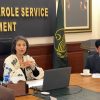

The Forum of Pakistan Ombudsman (FPO) convened its 29th meeting on January 3, 2024, at the Punjab Civil Officers Mess in Lahore. Chaired by Dr. Asif Mahmood Jah, Federal Tax Ombudsman of Pakistan, and hosted by Major Azam Suleman Khan (R), Ombudsman Punjab, the gathering drew ombudsmen and representatives from across the country. The meeting, marked by discussions of institutional achievements and challenges, underscored a collective effort to improve public grievance mechanisms.
The event opened with solemnity, with attendees reflecting on the growth of Pakistan’s ombudsman institutions. Major Azam Suleman Khan, in his remarks, described the system as one of the most accessible avenues for public relief, citing it as a model for cost-effective justice. Dr. Jah echoed this sentiment, emphasizing the forum’s mandate to provide swift redress and calling for enhanced research and outreach efforts.
Discussions centered on recent institutional achievements, with particular attention given to Punjab’s ombudsman office. Over 94,000 complaints have been resolved under its current leadership, and more than Rs. 36 billion in monetary relief provided—a performance record that participants acknowledged as exemplary. There was also an acknowledgment of the Punjab Ombudsman’s detailed research on critical issues, from delays in registering FIRs to challenges with public hospital equipment.
In a nod to the forum’s growing international footprint, plans for the upcoming OIC Ombudsman Association meeting in Islamabad took center stage. The event, scheduled for later this month, is expected to host ombudsmen from across the Muslim world. Discussions highlighted the potential to invite observers from non-member states and European institutions to deepen international collaboration. Cultural and diplomatic activities were suggested as ways to enhance Pakistan’s image on the global stage.
The meeting also addressed transparency in financial management, with calls for pre-meeting disclosure of expenditures. There was spirited debate on expanding the FPO’s role, including the launch of an internship program to involve young minds in research and advocacy for ombudsman services.
As the day drew to a close, a proposal emerged to strengthen ties with NGOs and media outlets to amplify the impact of the FPO’s work. Attendees endorsed the idea of subgroup discussions in international forums to encourage more focused exchanges of best practices. Suggestions for a year-round calendar of activities and the potential establishment of a dedicated digital media channel further illustrated the ambition of the forum.
In his closing remarks, Dr. Jah praised the spirit of collaboration among members and reaffirmed the FPO’s commitment to providing relief to the public. With the next meeting scheduled for April or May in Lahore, the forum left the gathering with a sense of renewed purpose. The enduring challenge of addressing public grievances remains, but there was clear determination to meet it head-on.